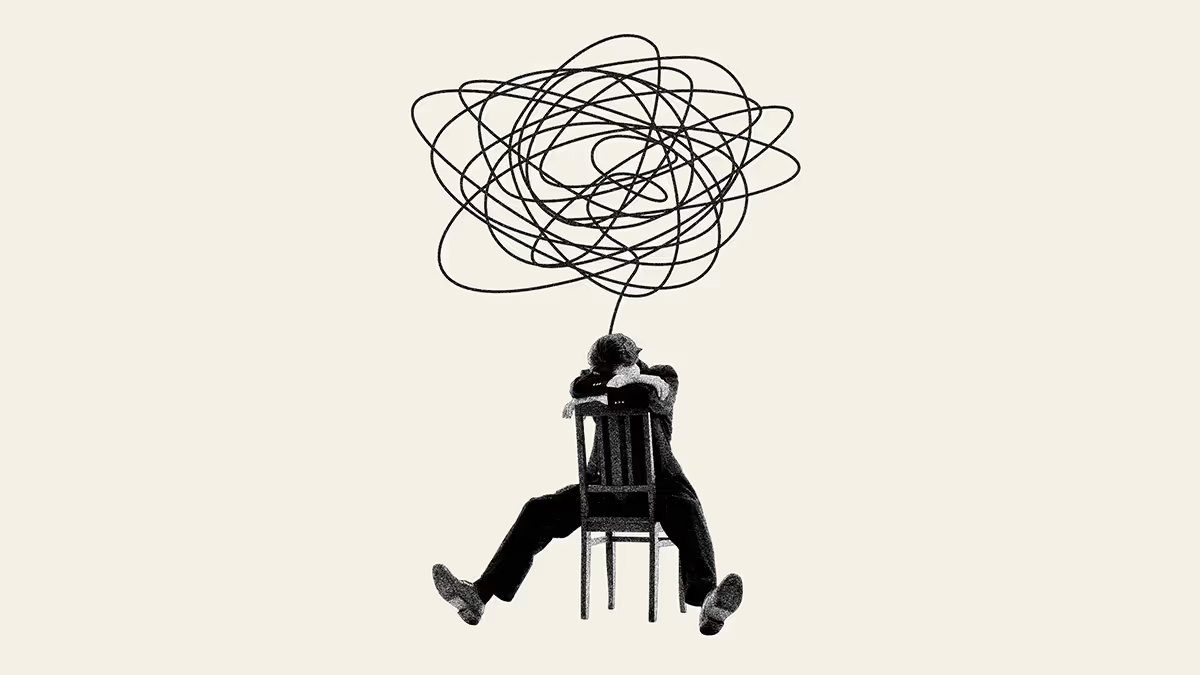
As the end of the semester rolls around and as final exams approach.
It can truly be a stressful time for most teenagers; along with other factors coming down among most students’ personal lives, the end of the semester can feel more like a mountain of work, rather than a celebration or accomplishment of effort and skill.
The very reason why humans experience stress stems from being in an uncomfortable situation; oftentimes, the brain wants to not be a part of it. Dr. Monteith of the American Brain Foundation noted, “When we experience stress long-term, some of the mechanisms of stress that are supposed to be protective become harmful.”
Some of the effects that stress has on your body include, but are not limited to increased blood flow to muscles, increased blood pressure and heart rate, decreased sensitivity to pain, and a decreased ability for your immune system to respond, Dr. Peskind of the American Brain Foundation said, “In the short term, all of these can be great, but in the long term, these feelings can result be super maladaptive behavior.”
All of these effects can have a horrible effect on your brain’s cognitive ability to work and breathe.
These stresses of daily life, if not taken care of, can turn into things much, much worse. Peskind did some research into the effects of post-traumatic stress disorder (PTSD) and found that it usually found in people who have suffered an extremely traumatic event in their lives, from military to a car accident or assault/abuse.
As Peskind dug in more that PTSD, in most cases, has been linked to the same victims often having suffered significant stressors earlier in life, like childhood trauma.
Additionally, PTSD has been linked to heightened brain activity, increased levels of norepinephrine (a stress hormone). When exposed to these levels of stress, the brain can often be linked to experiencing migraines as well.
While creating a direct connection from stress to a migraine is a difficult task, it is often found that patients who experience migraines also process stress differently than others, often being more sensitive to the average everyday stressor.
As well as these issues being prevalent in most patients stress can also reduce your very lifespan from anywhere to a few months to nearly 3 whole years, this happens due to a process called “cellular aging” where your stress leads to the production of the creation of telomeres, which apply a protective cap on your DNA to shorten them faster, thus relieving you in the moment, but when your DNA gets to short your cells die, speeding up your age, as well as making you more susceptible to diseases including heart disease, diabetes and depression.
Whereas all of these sound horrible and dangerous, you, as a human, can change how you perceive your stress. According to the American Brain Foundation, there are three viable options to remove yourself from a stressful situation:
- Check In with Your Body: Regularly take a moment to assess how your body feels. You can even schedule time with yourself to check in about how you are feeling.
- Establish a Stable Routine: Consistency in daily routines, including sleep schedules and meals, can help you avoid stress.
- Engage in De-Stress Activities: If you realize that you are stressed, you can incorporate activities that help you relax, such as deep breathing, meditation, exercise, or hobbies that bring you joy.
While all of these activities can assist you in lowering stress levels Peskind also included that research over this subject is starting to be done, including the ability to manipulate the humans glymphatic system, with the goal in mind to prevent these neurodegenerative disorders like Alzheimer’s (a terrifying disease that can result in the loss of memory) as well as figuring out a method to avoid diseases like ALS to even FTD.
As stress is a part of everybody’s daily life, we like to overlook what its true effects can do to us, as it is an important factor to understand the true effects of chronic stress. Being aware of how to recognize it and how to avoid it is always an important way to protect and improve our overall well-being.